Moggieslegacy
Savannah Super Cat
In the thread I started discussing my older kitten being a picky and unpredictable eater, the subject of regurgitation came up. This doesn’t happen very often, but this morning I got up and noticed my kitten’s appetite was much less than it has been in the morning. (The vet here did not prescribe a dewormer that was effective in preventing tapeworms and he was barely eating and loosing weight. Happily, since he was treated he has regained all the weight he lost and a bit more, and has had a voracious appetite)
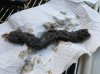
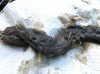
But this morning he just nibbled his food, and I noticed he had regurgitated what looks to be a long hairball except instead of cat hair it has a few small bones and a lot of fine gray fur that looks like the fur on the rats here he has been hunting. (Warning the pictures are a bit gross) So I am thinking this type of regurgitation is probably similar to what happens with hairballs, except it is being used as a way to get rid of other hard to digest undesirable material?
I am thinking this is a healthy and sensible way to get rid of this type of ingested material. When people here feed whole prey does that include fur or feathers the cat eats, and if so, do cats normally manage to digest this stuff without regurgitation?
But this morning he just nibbled his food, and I noticed he had regurgitated what looks to be a long hairball except instead of cat hair it has a few small bones and a lot of fine gray fur that looks like the fur on the rats here he has been hunting. (Warning the pictures are a bit gross) So I am thinking this type of regurgitation is probably similar to what happens with hairballs, except it is being used as a way to get rid of other hard to digest undesirable material?
I am thinking this is a healthy and sensible way to get rid of this type of ingested material. When people here feed whole prey does that include fur or feathers the cat eats, and if so, do cats normally manage to digest this stuff without regurgitation?